

The Soul of Zimbabwe: A Deep Dive Into Shona Food History

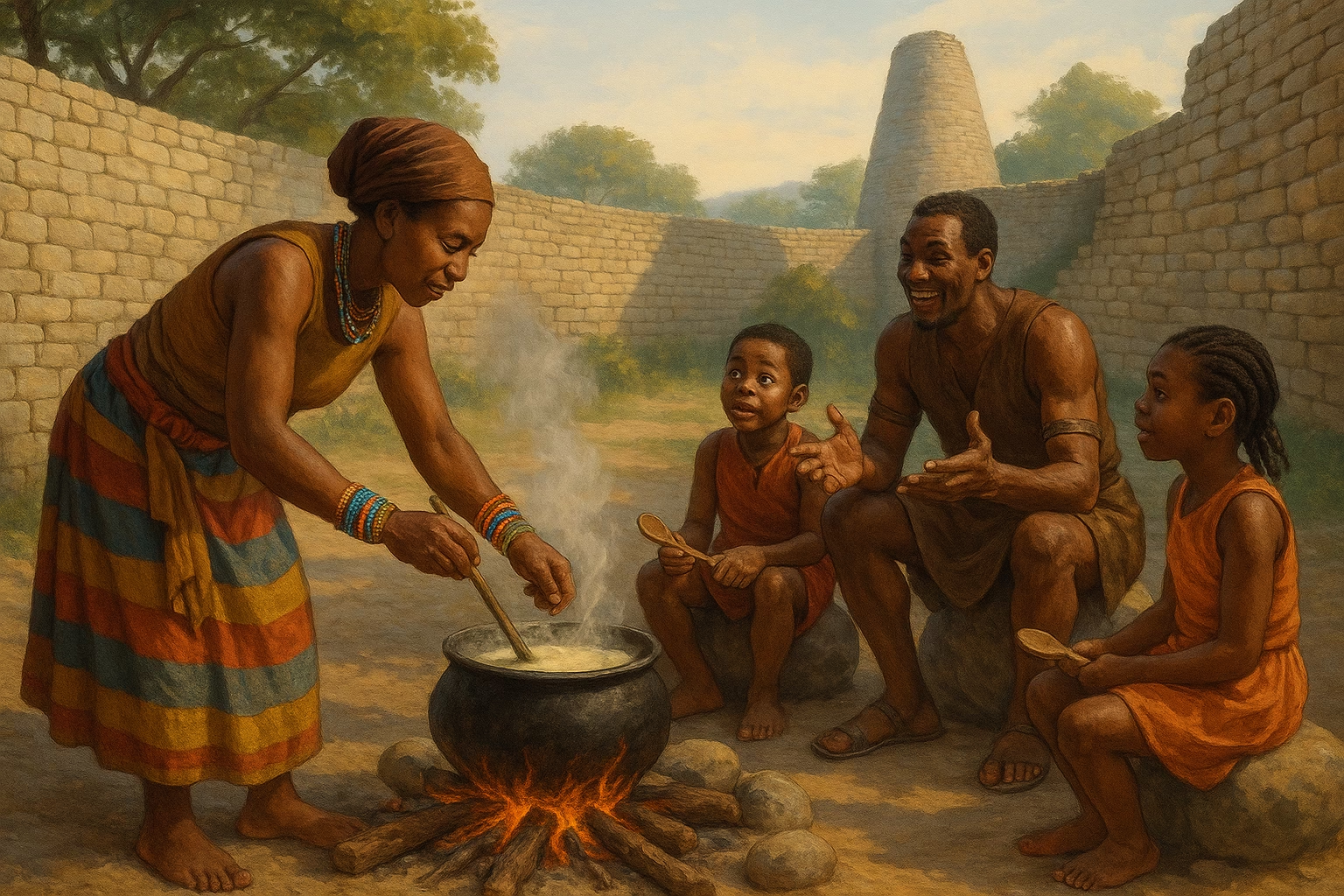
Before the 16th century, the kitchen was the center of life, but it looked very different from the modern setups we see today. There were no stoves; everything happened over an open fire, known as moto.

The Tools: Mothers and grandmothers used large, handmade clay pots (hari) for boiling and simmering stews. To turn grains into flour, they used a duri (a large wooden mortar) and a mutswi (a heavy wooden pestle). This rhythmic pounding was the soundtrack of every village.

The Original Grains: Before corn arrived, the Shona cultivated drought-resistant grains like sorghum (mapfunde) and millets (zviyo and mhunga). These were crushed and cooked into thick, hearty porridges.

Foraging for Survival: The diet was supplemented by nature. This included wild leafy greens (muriwo), wild mushrooms (hohwa), water-storing yams (madhumbe), and highly nutritious insects like mopane worms (madora).

A Note on Protein: Because cattle and goats were symbols of wealth and used for bride-price (roora), meat was rare. Protein mostly came from wild game, small birds, termites, and river fish.

The Great Shift: The “Corn Revolution”

In the 1600s, Portuguese traders and explorers arrived, bringing with them a “Columbian Exchange” that changed Shona cooking forever.

  • The Rise of Maize: Corn (chibage) was introduced to the region. Because it was easier to pound and offered higher yields than traditional millets, it was rapidly adopted.
  • The Peanut Influence: Traders also brought peanuts (nzungu). This became a cornerstone of Shona flavor, used to create rich, nutty pastes and sauces like dovi (peanut butter stew).

Colonial Influence: Bread, Tea, and Modernity

During the colonial era, British customs left a mark on the daily Zimbabwean diet.

  • Breakfast Staples: Sweet, milky tea and white bread became common, especially in urban areas.
  • New Techniques: The British influence introduced canning and modern baking, shifting some traditional kitchen practices.

Modern Shona Cuisine: Staples You Must Know
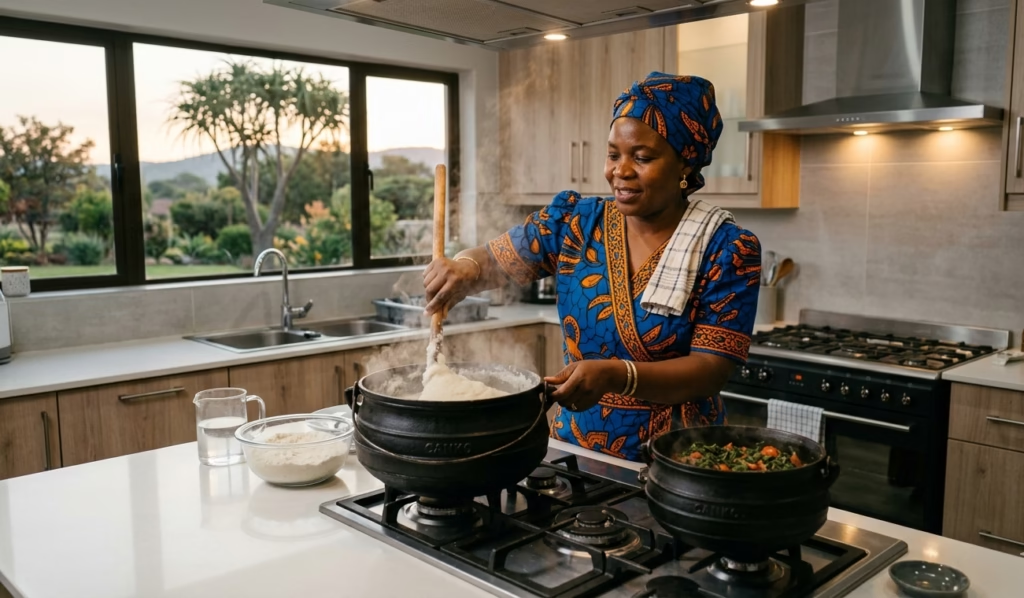
Today, the legacy of these centuries is visible in every Zimbabwean kitchen. If you visit, you will likely encounter:

  • Sadza: The modern iteration of ancient porridge. Made from finely ground white maize meal (upfu) and water, it is cooked into a dense, stiff consistency and eaten at almost every meal.
  • Relish (Muriwo ne Nyama): Sadza is never eaten alone. It is paired with a “relish”—usually stewed beef, chicken, or pork, or sautéed greens like rape or pumpkin leaves, often enriched with a spoonful of peanut butter.
  • Traditional Drinks: Fermented grain beverages like maheu (non-alcoholic) and traditional beers (chibuku) are still brewed to celebrate harvests and communal gatherings.

Cultural Etiquette

Shona food is more than sustenance; it is a display of values.

  • Communal Dining: Families sit in a circle, and everyone eats from a shared bowl. This fosters fairness, unity, and connection.
  • The Right Hand (Rudyi): You roll a portion of sadza into a ball and use it to scoop your meat or veggies. It is culturally taboo to use the left hand for eating.
  • Totems (Mitupo): Ancestry is sacred. The Shona traditionally do not eat the meat of the animal that represents their clan’s totem—a sign of deep respect for their family identity.

Checkout The Ultimate Authentic Zimbabwean Sadza Recipe !

Frequently Asked Questions

1. Is Sadza just cornmeal mush? Think of it as the ultimate comfort food. It’s cooked until stiff enough to form into a ball with your hand. Its mild flavor makes it the perfect “spoon” for savory stews and greens.

2. Why can’t you eat your totem animal? In Shona culture, your totem (mutupo) represents your ancestors. Eating that animal is considered disrespectful to your heritage—it’s like eating a family member.

3. Are insects really a standard food? Yes! Mopane worms (madora) are a delicacy. They are packed with protein and, when dried and cooked with onions and tomatoes, have a nutty, chewy texture that is highly prized.

4. Why is it rude to eat with the left hand? In many Southern African cultures, the left hand is reserved for personal hygiene. The right hand is used for eating to maintain cleanliness and show respect for the communal bowl.

5. Is traditional Shona food very spicy? Generally, no. Shona cuisine relies on natural, earthy flavors. You won’t find heavy chili heat; instead, the focus is on the richness of peanuts, the freshness of garden greens, and the depth of well-cooked meats.

What about you? Have you ever tried sadza or dovi, or perhaps you have a cultural food tradition that feels like a “culinary anchor” in your own life?

Let me know in the comments below!

The Ultimate Authentic Zimbabwean Sadza Recipe (And Why It’s My Favourite Dish)

What is living in Zimbabwe really like?

The truth is, we can’t talk about life in Zimbabwe without talking about our food. Food is the beating heart of our culture, and today, I am going to share everything you need to know about Zimbabwe’s most beloved staple dish: Sadza.

In Zimbabwe, we have a beautiful Shona proverb: “Ukama igasva hunozadziswa nekudya.” Translated, it means that relationships are incomplete unless cemented by sharing a meal. We build, nurture, and celebrate our relationships by eating together.

What Makes Sadza My All-Time Favorite Dish?

If I had to choose one traditional Zimbabwean food to eat for the rest of my life, it would be Sadza served with a rich beef stew and rape (a popular, hearty leafy green in Zimbabwe).

Sadza is a thick, comforting maize porridge (African cornmeal). It is the undisputed staple food of Zimbabwe and is incredibly versatile. You can serve it with hearty stews (beef, chicken, or goat), fried vegetables, or a combination of both.

What I absolutely love about this dish is how satisfying it is. It fills you up and gives you sustained energy, keeping those midday snack cravings at bay!

The Beauty of Homegrown Ingredients

Staple foods are the foundation of a community’s diet, and the beauty of cooking Sadza is that it is both affordable and accessible. Most Zimbabweans use homegrown ingredients straight from the family garden. Fresh, organic, and bursting with flavor!

To bring out the best flavors in the beef stew and greens that accompany my Sadza, I like to keep my seasoning simple but impactful. I highly recommend adding:

  • Royco Usavi Mix (Beef Flavour)
  • Garlic and Black Pepper
  • Aromat Seasoning (An incredibly versatile condiment that gives a wonderful herby taste!)

As Chef José Andrés perfectly puts it: “Simple ingredients prepared in a simple way – that’s the best way to take your everyday cooking to a higher level.”


How to Cook Classic Zimbabwean Sadza

Cooking Sadza is an art form, but with a little practice, anyone can master it. Here is my foolproof guide to making the perfect, lump-free Sadza.

Prep time: 5 mins | Cook time: 25 mins | Servings: 2-4

Ingredients:

  • 2 cups white maize meal (cornmeal, preferably super-refined “mealie-meal”)
  • 4 cups water (plus a little extra hot water as needed)

Step-by-Step Instructions:

  1. Prepare the Base Mixture: In a medium pot, bring 3 cups of water to a rolling boil. Meanwhile, in a separate bowl, mix 1 cup of the maize meal with 1 cup of cold water to form a smooth paste. (Pro-tip: This cold-water paste is the secret to preventing lumps!)
  2. Start the Cooking Process: Once the water is boiling, reduce the heat to medium. Slowly pour your maize meal paste into the boiling water while stirring continuously with a wooden spoon.
  3. Simmer: Let the mixture simmer for 5–7 minutes. It will look like a thick soup. Stir occasionally to prevent it from sticking to the bottom of the pot.
  4. Thicken the Sadza: Gradually add the remaining 1 cup of dry maize meal. You will need to stir vigorously (we call this kumona) to avoid lumps. As the mixture thickens, if it becomes too stiff for your liking, add a little hot water (about ¼ cup at a time).
  5. The Final Steam: Reduce the heat to the lowest setting, cover the pot with a lid, and let it cook for 10–15 minutes. The Sadza is ready when it is smooth, thick, and pulls away slightly from the sides of the pot.
  6. Serve like a Pro: Wet a serving plate or bowl with a little water (to prevent sticking) and scoop the Sadza onto it. Use a wooden spoon or wet hands to mold it into a neat, round shape.


How to Eat Sadza Like a Local

Traditionally, Sadza is eaten with your hands—specifically, the right hand. You simply pinch off a small portion, roll it into a little ball in your palm, make a small indentation with your thumb, and use it to scoop up your delicious relish, stew, or sour milk (mukaka wakakora).

While many people use forks and knives today, eating with your hands connects you to the food and the culture in a way utensils simply can’t. In the past, families would eat from a communal bowl, reinforcing that beautiful bond of Ukama.

Delicious Variations to Try

While beef and rape are my go-to, the relishes you can pair with Sadza are endless:

  • Muboora (Pumpkin Leaves): A traditional, highly nutritious vegetable dish often cooked in a rich peanut butter sauce. (If you’re allergic to peanuts, a simple oil-based fry is just as tasty!)
  • Kidney Beans: A hearty, vegetarian-friendly protein option.
  • Goat or Mutton Stew: Rich, flavorful meats reserved for hearty family gatherings.

Ready to Cook?

Hopefully, this deep dive into my favorite Zimbabwean dish inspires you to grab your pots, buy some mealie-meal, and start cooking!

Remember, Ukama igasva hunozadziswa nekudya. Grab a friend, share a meal, and build a relationship.


Learn More About Zimbabwe Tradition & Culture

Have you ever tried Sadza? What is your favorite relish to eat it with? Share your own recipes and experiences in the comments below!